Heart of Health
Address: 3/630 Great South Road,
Papatoetoe, Auckland 2025.
Care for All
Phone: (+64) 9 558 5762
Email: [email protected]
Welcome
to
'OFA TUI MOE 'AMANAKI (OTMA)
Compassion, Faith, and Perseverance - Aroha, Whakapono, me te Manawanui
Building a better world begins with compassion and connection.
‘Ofa Tui Moe ‘Amanaki is a Māori and Pasifika-led community organisation delivering holistic, whānau-centered support services grounded in indigenous models of hauora (wellbeing). We provide comprehensive care across South Auckland, including disability and aged care, housing coordination, and culturally safe wellness initiatives, with access to mental health support (tautoko hinengaro) tailored to the needs of our communities
Our Values:Whanaungatanga – Building strong relationships and community connections
Manaakitanga – Care, respect, and nurturing of others
Faka’apa’apa – Honour and integrity in all actions
Lototō – Service and commitment to community
Fa’aaloalo – Upholding dignity and mutual respect
Aiga & Whānau – Family and extended community first
Vision Statement:A thriving future where every Māori and Pasifika person lives with dignity,
wellbeing, and cultural belonging—supported by whānau, empowered by
community, and anchored in identity.
Mission Statement:To deliver holistic, culturally safe, and whānau-centred support services that
restore wellbeing, uphold the mana of every individual, and strengthen our
communities across mental health, disability, aged care, and housing.
We do this by:• Embedding Te Whare Tapa Whā and Fonofale models of care
• Providing wraparound support that is led by lived experience and
cultural wisdom
• Building strong partnerships with government, NGOs, and grassroots
networks
• Empowering whānau through advocacy, education, and meaningful
connection
Alone we can survive, but together we will thrive.
About us
Who We Are:
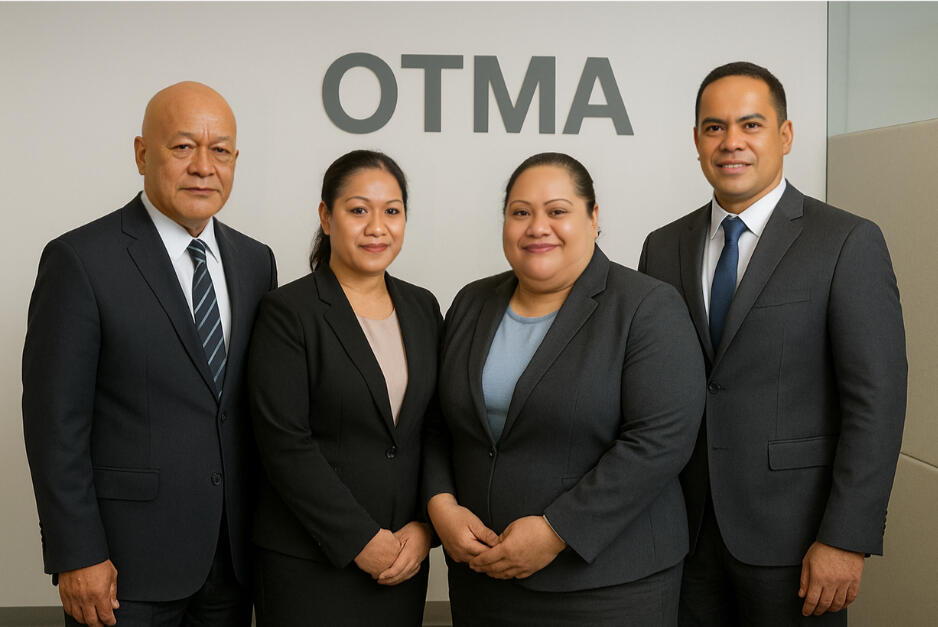
‘OFA TUI MOE 'AMANAKI (OTMA) is a whānau-led organisation dedicated to restoring dignity, cultural identity, and holistic wellbeing for all. Rooted in Māori and Pacific worldviews, our services are accessible to everyone, recognising that wellbeing, belonging, and connection are universal human needs.We understand that true wellness arises from a balance of spiritual, physical, mental, familial, and cultural dimensions. Guided by the Te Whare Tapa Whā and Fonofale models, we also embrace inclusive approaches that reflect the diverse communities we serve.Our mission is to walk alongside individuals and whānau, supporting them to strengthen their identity, enhance resilience, and build sustainable pathways for the future.What We DoOTMA collaborates with individuals, whānau, and communities to restore hope, dignity, and meaningful connection. Our approach goes beyond providing support; we empower people to thrive, fostering stronger, healthier communities that endure for generations.
Our Four Key Areas of ImpactHolistic Wellbeing – Promoting balance across spiritual, physical, mental, family, and cultural dimensions to support overall wellness.
Community Empowerment – Building stronger whānau and communities through education, leadership development, and collective action.
Cultural Restoration – Preserving and celebrating identity, traditions, and values, while fostering inclusivity and respect for diversity.
Our Vision:To see thriving, connected communities where culture is celebrated, whānau are strong, and wellbeing is holistic, inclusive, and sustainable.Our Values:Whanaungatanga – Connection: Building strong, lasting relationships.Manaakitanga – Care & Respect: Serving with kindness and dignity.Faka’apa’apa – Honour: Upholding integrity in all we do.Lototō – Service: Leading with humility and responsibility.Fa’aaloalo – Dignity: Respecting all people and cultures.Aiga & Whānau – Family First: Placing families at the heart of our work.
Our Founders:Sebastiano Simonetti & Hepisipa Moeaki – Co-FoundersSebastiano and Hepisipa are experienced leaders in community development and social wellbeing. Sebastiano holds a Bachelor of Social Work and has nearly 30 years of professional experience in the field, while Hepisipa has over 22 years of dedicated service supporting individuals, whānau, and communities.Their leadership combines deep cultural insight, practical expertise, and a lifelong commitment to enhancing wellbeing, dignity, and resilience. As founders of OTMA, they are establishing an organisation grounded in cultural authenticity, strong community connections, and advocacy for holistic health and equity.Sebastiano and Hepisipa continue to inspire positive social change through expert guidance, evidence-informed practice, and unwavering dedication to service.
Together, we rise, heal, and grow.
Our Services
OTMA provides holistic, whānau-centered support for individuals and communities, promoting wellbeing, resilience, and cultural connection. Our services are evidence-informed, culturally responsive, and tailored to meet the diverse needs of the people we serve.
Aged Care
We promote dignity, autonomy, and holistic health for older adults:- In-home elder support with personalised care plans.- Respite care programs to support both clients and caregivers.- Safe transportation, cultural outings, and social engagement activities.- Whānau check-ins, wellness monitoring, and cognitive health screening.- Geriatric assessment programs and age-appropriate wellness interventions.- Preventative health education and chronic condition management.
Disability Services
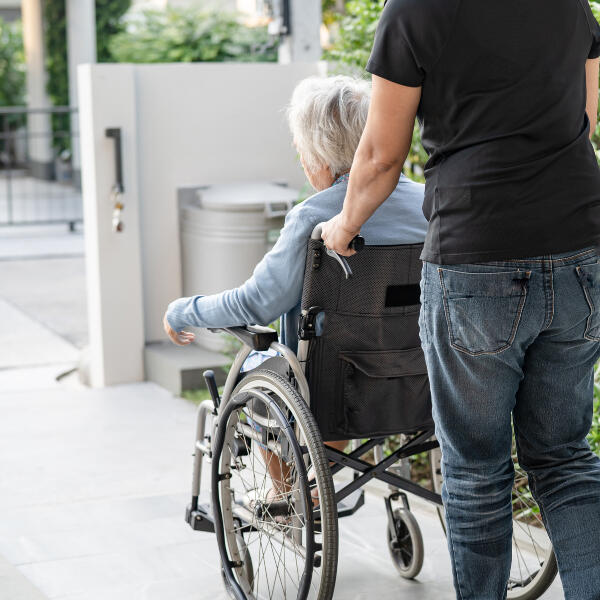
Our disability programs enhance independence, participation, and quality of life:- Assistance with daily activities and functional living skills.- Mobility support, adaptive equipment guidance, and care coordination.- Individualised support planning and case management.- Home visits, respite care, and ongoing wellness monitoring.- Inclusive therapies, including physiotherapy, occupational therapy, and life skills coaching.- Support for social inclusion and community engagement initiatives.
Mental Health Support
We deliver culturally safe mental health care and psychosocial support for individuals and whānau:- In-home support and personalised wellbeing plans.- Peer support, cultural navigation, and advocacy.- Referral, triage, and coordinated care with health providers.- Whānau planning, talanoa, and family-inclusive interventions.- Wraparound support, community outreach, and early intervention programs.- Telehealth and virtual counselling options for increased accessibility.- Psychoeducation workshops on mental health literacy and resilience.

Housing Coordination

We provide support to secure safe and stable housing while promoting overall wellbeing:- Client placement and case management within partner housing providers.- Wraparound care for whānau at risk of housing instability.- Transitional and long-term housing support (future pilot).- Advocacy, tenancy support, and connection to social and community services.- Programs addressing homelessness prevention and housing-related health needs.
Wellness & Respite Hubs
Our community hubs create safe spaces for healing, connection, and holistic wellbeing:- Community-led wellness spaces offering culturally grounded programs (coming soon).- Traditional healing practices, fitness, and creative expression workshops.- Cultural rituals, spiritual guidance, and identity-strengthening activities.- Carer respite, whānau education, and healing circles.- Community health education programs, workshops, and peer support networks.

Research, Advocacy & Community Development

To strengthen the broader impact of our work:- Data-informed community needs assessments and program evaluations.- Advocacy for equitable health, disability, and housing policies.- Partnerships with academic, health, and social service organisations.- Community development initiatives that build capacity, leadership, and resilience.
Every person deserves support, respect, and the opportunity to flourish
Contact us
We’d love to hear from you. Whether you’re seeking support, looking for information, or wanting to partner with us, our team is here to help.You can reach us by filling out the form below, or contact us directly by phone or email using the details provided at the top and bottom of this page.
Important: When completing the form, please include what you need in the subject line so we can assist you faster.
Contact us — your connection is the first step toward positive change.
Request Forms
If you know someone who could benefit from our services, you can refer them here.
Please provide the necessary details, and our team will follow up promptly.
Our Resources & Forms section makes it easy to connect with us and access support.
Please select the form that suits your needs.
Referral
Self-Referral
For individuals or whānau who wish to access support directly.
If you would like to access our services, you can refer yourself here.
Please provide your details, and our team will contact you to discuss how we can support you."
Self-referral is your choice, we’re ready to listen, care, and assist.
Frequently Asked Questions (FAQ)
1. Who is OTMA?
‘Ofa Tui Moe ‘Amanaki (OTMA) is a whānau-led Māori and Pasifika organisation dedicated to restoring dignity, cultural identity, and holistic wellbeing. We work alongside individuals, families, and communities to strengthen identity, resilience, and connection.
2. Who can access your services?
Our services are open to everyone, regardless of background. While we are grounded in Māori and Pasifika worldviews, we believe wellbeing, belonging, and connection are universal human needs.
3. What services do you provide?
We support whānau through:⦁ Disability and aged care services
⦁ Housing coordination and advocacy
⦁ Mental health support (tautoko hinengaro)
⦁ Culturally safe wellbeing initiatives
⦁ Community-based whānau support
4. Do I need a referral?
Not always. Many of our services are open to self-referrals, while some specialist supports may require a GP or agency referral.
5. Is there a cost for services?
Most of our services are free to whānau. If a cost applies, we will always explain clearly and discuss options for support.
6. Are your services culturally safe?
Yes. Our work is guided by the Te Whare Tapa Whā and Fonofale models, ensuring a holistic and culturally grounded approach to wellbeing.
7. Do you provide mental health support?
Yes. We provide culturally tailored tautoko hinengaro (mental health support), from counselling and wellbeing workshops to whānau-based approaches.
8. How do I access support?
You can contact us directly by phone, email, or in person. We also accept referrals from schools, health providers, and other community organisations.
9. Can my whānau be involved in the process?
Absolutely. We encourage whānau involvement wherever possible, as healing and resilience are strengthened through collective support.
10. Do you offer outreach or home visits?
Yes. Depending on your needs, we can meet you in your home, in the community, or through online/virtual support.
Tips for Wellbeing and Support:1. Reach Out Early – Don’t wait until things feel overwhelming. Contact us or another trusted service as soon as you need support.2. Include Your Whānau – Family and whānau involvement can strengthen care and provide emotional support.3. Stay Connected – Keep in touch with community, friends, and cultural groups to maintain social and cultural wellbeing.4. Self-Care Matters – Take time for rest, mindfulness, physical activity, and spiritual practices that help you recharge.5. Ask Questions – Be proactive in understanding your care plan, services, or options. Clear communication helps you get the support you need.6. Use Available Resources – Explore online guides, workshops, and community programs for additional support and learning.7. Give Feedback – Sharing your experience helps us improve services for you and others.
SQuestions are the first step to understanding and support.
Terms & Conditions
By accessing this site and using our services, you agree to the following terms and conditions. Please read carefully before using the website or submitting any forms.
1. Acceptance of Terms
- By using this website, you acknowledge that you have read, understood, and agree to be bound by these Terms & Conditions.- If you do not agree, you must not use the website or our services.
3. Eligibility
- Use of our services is open to individuals who meet eligibility requirements. Some services may have age, residency, or funding criteria.- Submission of a Request Form or contact via the website does not automatically guarantee access to services.
5. Personal Information and Privacy
- Any personal information submitted through forms will be collected, stored, and used in accordance with our Privacy Policy.- By submitting information, you consent to its use for service provision, communication, follow-up, and administrative purposes.- We take all reasonable steps to protect your information but cannot guarantee complete security of electronic submissions.
7. Third-Party Links
- This website may contain links to third-party websites.- OTMA does not control these sites and is not responsible for their content, services, or privacy practices.- Linking to third-party sites does not imply endorsement.
9. Limitation of Liability
- OTMA is not responsible for any direct or indirect loss, damage, or inconvenience resulting from:⦁ Reliance on information on this website
⦁ Use of services or forms
⦁ Technical errors, interruptions, or viruses- Services are provided in good faith, but availability and outcomes may vary.
12. Cancellations and Modifications
- OTMA reserves the right to cancel, modify, or suspend services at any time, including forms, programs, or events.- Notifications will be provided where feasible.
14. Governing Law
- These Terms & Conditions are governed by the laws of New Zealand.- Any disputes will be subject to the exclusive jurisdiction of the courts of New Zealand.
2. Use of Website
- You may use this website for lawful purposes only.- You agree not to engage in any activity that may damage, disable, or impair the website, interfere with other users, or compromise security.- You must not attempt to gain unauthorized access to any part of the website or its systems.
4. Services and Information
- Information provided on this website is for general guidance and educational purposes only.- Any Request Form or enquiry submitted does not create a formal client-provider relationship until agreed upon by OTMA.- Services are subject to availability, funding, and the discretion of OTMA.
6. Intellectual Property
- All website content, including text, graphics, logos, images, and videos, is owned by OTMA or its licensors.- You may not copy, reproduce, distribute, modify, or use any content for commercial purposes without prior written consent.
8. User Conduct
- You agree not to post or transmit content that is unlawful, harmful, threatening, abusive, defamatory, obscene, or otherwise objectionable.- OTMA reserves the right to remove or block any content or user that violates these terms.
10. Indemnity
- You agree to indemnify and hold OTMA harmless from any claims, liabilities, damages, or expenses arising from your use of the website or services, or violation of these terms.
11. Changes to Terms & Conditions
- OTMA may update these Terms & Conditions at any time without prior notice.- Changes will be published on this website. Continued use of the site constitutes acceptance of the updated terms.
13. Accessibility
- We aim to make our website accessible to all users.- Some features may not function perfectly on all devices or browsers, and we are not responsible for technical limitations beyond our control.
15. Severability
- If any part of these Terms & Conditions is found to be invalid or unenforceable, the remaining provisions will continue in full force.
16. Contact Us
For questions regarding these Terms & Conditions, please contact us via the Request Form or email.
Questions, ideas, or support - we’re only a message away.
Privacy Policy
At OTMA, we are committed to protecting your privacy and ensuring that your personal information is handled safely, respectfully, and in accordance with New Zealand law.
1. Information We Collect
We may collect personal information when you interact with our website or services, including:
- Name, email address, phone number, and other contact details- Information provided in Request Forms, referrals, or self-referrals- Demographic or service-related information necessary for providing support- Any other information you choose to share with us
3. Disclosure of Information
We respect your privacy and do not sell or share personal information for marketing purposes. However, your information may be disclosed:
- To partner organisations, health professionals, or agencies only as necessary to provide services- As required by law, or in response to a lawful request from authorities- In aggregated or anonymised form for reporting, research, or quality improvement purposes
5. Access and Correction
- You have the right to access your personal information held by OTMA.- If any information is incorrect or incomplete, you can request that it be updated or corrected.
7. Cookies and Website Analytics
- Our website may use cookies or tracking tools to improve user experience and monitor website usage.- These tools do not collect personally identifiable information unless you voluntarily provide it.
9. Changes to This Privacy Policy
- We may update this Privacy Policy from time to time to reflect changes in services, legislation, or best practices.- Updated policies will be published on this website. Continued use of our site constitutes acceptance of any changes.
2. How We Use Your Information
Personal information collected may be used to:
- Provide and manage our services effectively- Respond to enquiries and follow up on requests- Assess eligibility and coordinate care- Monitor and improve the quality of our services- Maintain records in accordance with regulatory and funding requirements
4. Storage and Security
- All personal information is stored securely in compliance with the Privacy Act 2020.- We take reasonable steps to protect your information from misuse, loss, or unauthorized access.- While we strive to maintain security, no system is completely risk-free, and submission of information online carries inherent risks.
6. Retention of Information
- Personal information will be retained only as long as necessary for service delivery, compliance, and reporting requirements.- Once no longer required, information will be securely destroyed or de-identified.
8. Children and Vulnerable Users
- Our services and website are primarily intended for users who are capable of providing informed consent.- If information is submitted on behalf of a child or vulnerable person, we require parental or guardian consent.
9. Changes to This Privacy Policy
- If you have questions about this Privacy Policy or how your personal information is handled, please contact us through our Request Form or email.
Your privacy is our priority, we protect what matters most.
Health & Safety Policy
At OTMA, the health, safety, and wellbeing of our people, whānau, and communities are our top priority. This includes our staff, volunteers, contractors, clients, and visitors. We are committed to creating safe, respectful, and culturally supportive environments where everyone feels protected and valued.We acknowledge our responsibilities under the Health and Safety at Work Act 2015 (NZ) and are committed to meeting or exceeding these standards.
1. Purpose
The purpose of this policy is to:
- Protect the physical, mental, emotional, spiritual, and cultural safety of all people involved in our services.- Ensure staff working in disability, aged care, and mental health support can carry out their roles safely.- Identify, manage, and minimise risks associated with in-home care, transport, community activities, and wellness programmes.- Promote a strong safety culture where everyone takes responsibility for themselves and others.
3. Our Commitments
We commit to:
- Safe Environments – Taking all reasonable steps to ensure safe, clean, and accessible spaces for staff, clients, and whānau.- Wellbeing First – Embedding Te Whare Tapa Whā and Fonofale models to protect holistic wellbeing (spiritual, physical, mental, cultural, and whānau health).- Cultural Safety – Respecting Māori and Pacific values, traditions, and protocols in all services.- Risk Management – Identifying hazards in client homes, community spaces, and service delivery, then managing or removing risks.- Zero Harm Culture – Maintaining zero tolerance for violence, harassment, abuse, or unsafe behaviour.- Emergency Preparedness – Having clear plans for medical emergencies, fire, natural disasters, or client-specific risks (such as seizures or behavioural escalations).- Continuous Improvement – Learning from incidents, gathering feedback, and updating safety practices regularly.
5. Training and Education
All staff and volunteers will receive:
- Induction training in health and safety procedures.- First aid and emergency response training appropriate to their role.- Manual handling and mobility support training for working with disability and aged care clients.- De-escalation and crisis response training for mental health support.- Cultural safety training to ensure services respect and uphold identity, values, and dignity.
6. Risk and Hazard Management
- Regular risk assessments will be completed for all client services, workplaces, and vehicles.- Hazards in client homes (e.g., trip hazards, unsafe furniture, pets, smoking) must be identified and reported.- Transport risks (driving clients, mobility needs, medical risks) will be managed with vehicle checks and safe driving policies.- Wellness hubs and community spaces will be monitored to ensure they meet accessibility and safety standards.
8. Emergency Procedures
We will maintain clear procedures for::
- Fire evacuation- Medical emergencies (e.g., falls, seizures, mental health crises)- Natural disasters (earthquakes, flooding, tsunami)- Violence, aggression, or unsafe behaviour- Pandemic/health-related risks (e.g., COVID-19 protocols)
Staff will be trained to follow these procedures calmly and effectively.
2. Scope
This policy applies to:
- All OTMA staff, carers, volunteers, and contractors.- All clients and whānau receiving support from us.All service settings, including:
⦁ In-home care environments
⦁ Community spaces and wellness hubs
⦁ Transport and outings
⦁ Office and administration spaces
4. Responsibilities
Management / Leadership:
- Provide safe systems of work, training, and resources.- Ensure compliance with legislation and funding requirements.- Support staff wellbeing and cultural safety.- Monitor risks and address concerns quickly.
Clients and Whānau:
- Take reasonable care of their own health and safety.- Follow policies, procedures, and training provided.- Conduct risk checks before beginning in-home or community support.- Report hazards, incidents, or unsafe situations immediately.- Use correct techniques for mobility support, manual handling, and de-escalation.
Staff and Support Workers:
- Provide a safe environment for staff when receiving in-home support.- Inform staff of risks (e.g., medical conditions, hazards in the home).- Follow agreed care plans and safety guidance.
7. Incident Reporting and Response
- All incidents, accidents, and near-misses must be reported immediately.- First aid or medical care will be provided as needed.- A record will be kept, and incidents investigated where necessary.- Clients and whānau will be informed of any incident affecting their care.- Learnings will be used to prevent recurrence.
9. Wellbeing and Support
We recognise that working with disability and mental health clients can be demanding. To support staff:
- Employee wellbeing support will be encouraged, including supervision and peer support.- Debriefing and counselling will be offered after critical incidents.- Safe rostering practices will be applied to prevent fatigue and burnout.
10. Review and Monitoring
- This policy will be reviewed annually, or sooner if laws or services change.- Staff, clients, and whānau will be invited to provide input into reviews.- Continuous improvement will be guided by best practice, cultural values, and community feedback.
OTMA affirms its commitment to providing services in environments that are safe, respectful, and empowering.
By working together, we protect not only physical health and safety, but also spiritual, cultural, mental, and emotional wellbeing for our people, whānau, and communities.
When we care for the safety of one, we protect the wellbeing of all.
Complaints & Feedback Policy
At OTMA, we value the voices of our clients, whānau, staff, and community.
Feedback helps us celebrate what we do well and improve where needed. We are committed to handling complaints and feedback in a respectful, fair, and timely way.
1. Purpose
This policy ensures:
- Everyone has the right to give feedback or make a complaint without fear of negative consequences.- Concerns are taken seriously, investigated fairly, and resolved quickly.- Feedback is used to strengthen our services and relationships with whānau and communities.
3. Guiding Principles
- Respect: All complaints and feedback are treated with dignity and fairness.- Cultural Safety: We acknowledge Māori and Pacific worldviews and encourage talanoa/korero in the process.- Transparency: People are informed about how their complaint will be managed.- Confidentiality: Complaints are handled privately, and information is shared only as needed to resolve the issue.- No Retaliation: Making a complaint will not affect access to services or opportunities.
5. Process for Handling Complaints
1. Acknowledgement – We will acknowledge receipt of your complaint within 5 working days.2. Review – A manager will review the concern and, if necessary, speak with the person involved.3. Resolution – We aim to resolve complaints within 20 working days, depending on the complexity.4. Outcome – You will be informed of the outcome and any actions taken.5. Escalation – If you are not satisfied, you may escalate your complaint to the CEO or an external authority (e.g., Health & Disability Commissioner).
2. Scope
This policy applies to::
- Clients and whānau receiving support from OTMA.- Staff, volunteers, and contractors.- Community members and partner organisations.
4. How to Provide Feedback or Make a Complaint
Feedback or complaints can be made in the following ways:
- Verbally: Speak directly to a staff member or team leader.- In Writing: Submit a written complaint via email or our website form.- Anonymous: You may choose to remain anonymous, though this may limit our ability to respond.
6. Responsibilities
- Management: Ensure systems are in place to record, investigate, and resolve complaints.- Staff: Respond respectfully, report complaints promptly, and support resolution.- Clients/Whānau: Share feedback openly and honestly to help us improve.
7. Review and Monitoring
OTMA is committed to listening, learning, and acting on feedback. Every voice matters, and every concern is an opportunity to grow.
8. Statement of Commitment
OTMA is committed to listening, learning, and acting on feedback. Every voice matters, and every concern is an opportunity to grow.
Submit Feedback or Complaint
Please use the form below to submit your feedback, complaint, or suggestion.
Every voice matters, every concern is an opportunity to grow.
OTMA – Code of Conduct
At OTMA, we are committed to the highest standards of professionalism, integrity, and respect.This Code of Conduct sets out the behaviours and responsibilities expected from all staff, volunteers, and contractors, ensuring a safe, respectful, and culturally secure environment for clients, whānau, and colleagues.
1. Purpose
The purpose of this Code of Conduct is to:⦁ Promote ethical, professional, and respectful behaviour.
⦁ Ensure cultural safety and uphold Te Whare Tapa Whā and Fonofale values.
⦁ Protect staff, clients, and whānau from harm or misconduct.
⦁ Support staff in maintaining professional boundaries and delivering high-quality care.
⦁ Foster trust, accountability, and transparency within the organisation.
3. Guiding Principles
⦁ Respect & Dignity – Treat clients, whānau, colleagues, and partners with fairness, kindness, and compassion.
⦁ Integrity & Honesty – Act truthfully, ethically, and transparently.
⦁ Cultural Safety – Honour Māori and Pacific values, traditions, and protocols.
⦁ Confidentiality – Protect the privacy of client, whānau, and organisational information.
⦁ Accountability – Take responsibility for actions, decisions, and outcomes.
⦁ Professional Boundaries – Maintain appropriate boundaries with clients and colleagues; avoid conflicts of interest.
⦁ Health & Safety – Follow all procedures to protect yourself, colleagues, clients, and whānau.
⦁ Teamwork & Collaboration – Support colleagues and work together toward organisational goals.
⦁ Compassionate Care – Deliver care with empathy, patience, and cultural awareness.
⦁ Continuous Learning – Engage in professional development, reflective practice, and service improvement.
5. Social Media & Technology
⦁ Do not share confidential client or organisational information online.
⦁ Avoid posting content that may harm the organisation’s reputation.
⦁ Use social media responsibly and professionally when representing OTMA.
7. Breaches of the Code
⦁ Breaches may result in disciplinary action, up to and including termination.
⦁ All breaches will be investigated confidentially, fairly, and promptly.
⦁ Staff are encouraged to report concerns without fear of retaliation.
⦁ Serious breaches affecting client safety may be reported to external regulatory authorities.
2. Scope
This Code applies to all staff, volunteers, and contractors, in all work settings, including:⦁ Offices and administration areas
⦁ Client homes and private spaces
⦁ Community spaces, wellness hubs, and outings
⦁ Online platforms, emails, and social media representing OTMA
⦁ Offsite events and community engagements
4. Behaviour Expectations
All staff and volunteers are expected to:Act professionally, courteously, and respectfully at all times.
⦁ Avoid discrimination, harassment, bullying, or abusive behaviour.
⦁ Respect client autonomy, preferences, and cultural identity.
⦁ Follow organisational policies, legislation, and codes of practice relevant to health, disability, and aged care.
⦁ Safely and ethically manage medications, equipment, and care tasks.
⦁ Report unsafe practices, incidents, or breaches of this Code immediately.
⦁ Communicate effectively with clients, families, colleagues, and external partners.
⦁ Participate in supervision, mentoring, and training as required.
6. Professional Conduct in Sensitive Care Settings
⦁ Maintain client privacy and dignity during in-home visits, clinical care, or community activities.
⦁ Avoid personal relationships with clients that could impair professional judgement.
⦁ Use appropriate communication techniques for clients with cognitive, emotional, or physical challenges.
⦁ Report any signs of abuse, neglect, or exploitation immediately in line with safeguarding procedures. and honestly to help us improve.
8. Statement of Commitment
⦁ Maintain client privacy and dignity during in-home visits, clinical care, or community activities.
⦁ Avoid personal relationships with clients that could impair professional judgement.
⦁ Use appropriate communication techniques for clients with cognitive, emotional, or physical challenges.
⦁ Report any signs of abuse, neglect, or exploitation immediately in line with safeguarding procedures. and honestly to help us improve.
By working with OTMA, you commit to acting with integrity, respect, and cultural awareness at all times.